
Affordable Concrete Foundation contractors Boerne emphasize strategic formwork design for structural soundness. Modern alternatives to traditional wood forms, such as steel and fiberglass, offer enhanced durability. Precise measurements, modular systems, and digital design software optimize efficiency. High-quality formwork ensures even concrete compaction and protection from environmental damage. Steel and fiber-reinforced concrete (FRC) reduce cracking risk. Waterproof membranes prevent moisture intrusion and metal corrosion. These advanced methods fortify foundations, minimize long-term maintenance costs for Boerne contractors.
In the construction industry, a solid foundation is the cornerstone of any successful project. For residential or commercial builds alike, efficient and durable Concrete Foundation formwork setup is paramount. However, navigating the complexities of formwork can be daunting, especially for those new to the field. This article delves into the intricacies of Concrete Foundation formwork, offering a comprehensive guide for both professionals and enthusiasts. By exploring effective strategies and highlighting the role of affordable concrete foundation contractors Boerne, we provide valuable insights that ensure robust and cost-effective foundations.
- Understanding Concrete Foundation Formwork
- Efficient Setup: Tips from Affordable Concrete Foundation Contractors Boerne
- Optimizing Strength: Materials & Techniques for Longevity
Understanding Concrete Foundation Formwork
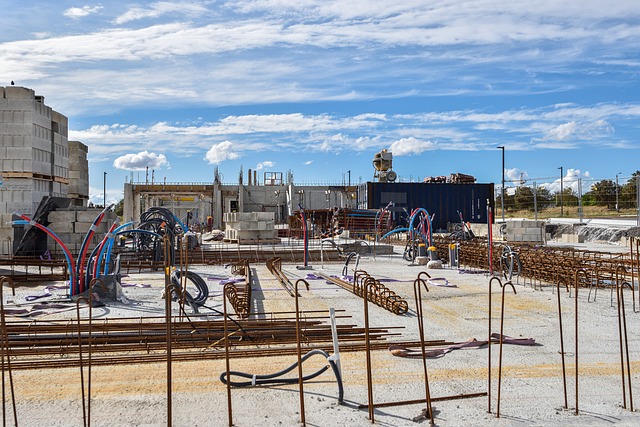
Concrete foundation formwork is a critical component of any construction project, serving as the skeletal structure for what will soon become a sturdy base for structures. Understanding this process is key to ensuring structural integrity and longevity, which is why engaging affordable concrete foundation contractors Boerne can provide invaluable expertise. At its core, formwork involves creating molds or frameworks that hold concrete in place until it sets, curing into the desired shape and strength. This isn't merely about pouring concrete into a hole; it's an intricate dance of materials, design, and technique to create a robust foundation capable of supporting immense weight for years to come.
The selection of formwork materials is a strategic decision that affects both cost and durability. Traditional options like wood have long been used due to their accessibility and relative affordability. However, modern alternatives such as steel and fiberglass offer enhanced strength, longevity, and faster setup times, potentially reducing construction schedules and overall project costs. For instance, steel formwork can be reused multiple times, making it a cost-effective choice for large-scale or repetitive projects. Engaging Boerne's affordable concrete foundation contractors can help navigate these options, balancing factors like material strength, environmental impact, and budget constraints to select the most suitable formwork system.
Effective formwork design extends beyond material selection. It encompasses considerations like structural integrity, accessibility for labor, and eventual demolition or reuse of the forms. Properly designed formwork ensures concrete is distributed evenly, minimizing potential cracks and uneven surfaces. Additionally, thoughtful layout planning can optimize the flow of materials and equipment, streamlining construction processes. For example, precast concrete panels often utilize formwork systems that allow for efficient assembly and disassembly, facilitating faster installation and removal. By leveraging the expertise of Boerne's affordable contractors, project managers can avoid common pitfalls associated with formwork setup, ensuring a solid foundation for their structures from the very beginning.
Efficient Setup: Tips from Affordable Concrete Foundation Contractors Boerne
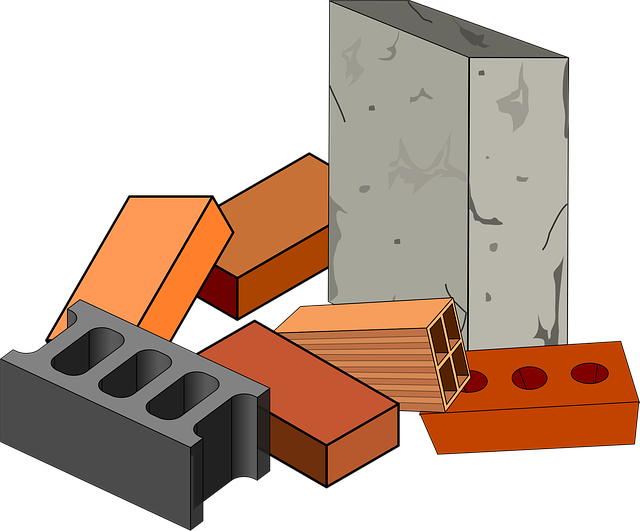
The efficient setup of concrete foundation formwork is a critical aspect of construction projects, ensuring structural integrity and cost-effectiveness. Affordable Concrete Foundation Contractors Boerne, with their extensive experience in the industry, offer valuable insights into optimizing this process. One of their key strategies involves utilizing modular formwork systems, which streamline installation by reducing assembly time and labor costs. These systems are designed for quick setup and removal, minimizing project delays and providing a flexible solution for various foundation shapes and sizes.
Additionally, Boerne-based contractors emphasize the importance of precise measurements and material planning. Accurate plans and detailed lists of required materials enable efficient ordering and delivery schedules. By ensuring that all components, including formwork, reinforcing bars, and concrete, are readily available at the job site, they can avoid costly delays caused by shortages or late deliveries. This meticulous approach to preparation contributes significantly to on-time project completion.
Another practical tip is the implementation of digital design and modeling software. These tools allow for detailed simulation of formwork arrangements, helping to identify potential issues before physical setup begins. By virtualizing the construction process, contractors can optimize material use, anticipate challenges, and enhance overall efficiency. Moreover, digital solutions facilitate collaboration among team members, ensuring that everyone works from the same accurate plan, thereby reducing errors and promoting a seamless construction experience.
Optimizing Strength: Materials & Techniques for Longevity
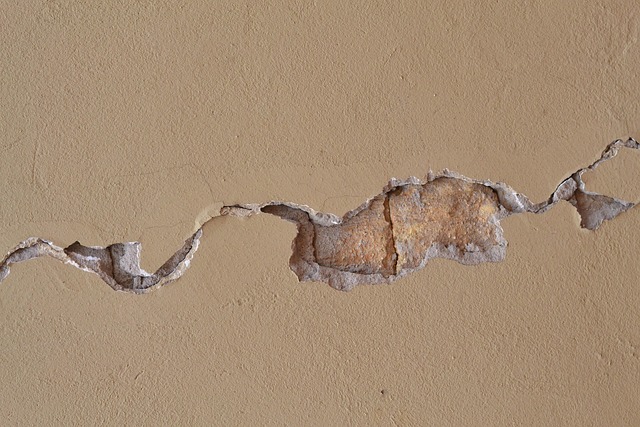
Concrete foundation formwork setup is a critical aspect of any construction project, particularly when focusing on optimizing strength for longevity. The choice of materials and techniques employed by affordable concrete foundation contractors Boerne directly impacts the durability and integrity of the structure. High-quality, durable formwork not only ensures the concrete pour is level and compact but also protects the fresh concrete from environmental factors until it achieves optimal strength. One proven technique is the use of steel formwork systems, which offer superior strength and reusability compared to traditional wooden forms. These systems are particularly effective for large or complex projects due to their ability to accommodate various slab thicknesses and configurations.
Additionally, the incorporation of fiber-reinforced concrete (FRC) enhances both tensile and compressive strengths, significantly improving overall structural performance. FRC is especially useful in challenging conditions where traditional concrete might be prone to cracking, such as high-traffic areas or regions with significant temperature fluctuations. Studies have shown that incorporating steel fibers at rates between 4% and 8% by volume can increase the pullout strength of concrete by up to 50%, thereby enhancing the overall integrity of the foundation.
Moreover, proper formwork design should consider the use of waterproof membranes to protect against moisture intrusion. This is crucial for preventing corrosion in metal reinforcement bars and mitigating the risk of structural failures due to water damage. For affordable concrete foundation contractors Boerne, implementing these advanced materials and techniques not only ensures a robust and lasting foundation but also offers long-term cost savings by reducing the need for frequent repairs or replacements.
By synthesizing insights from Affordable Concrete Foundation Contractors Boerne, this article has illuminated key aspects of concrete foundation formwork setup. Understanding the fundamentals, efficient setup strategies, and optimizing strength through durable materials and techniques are paramount for long-lasting structures. Readers now possess practical knowledge to make informed decisions, ensuring their foundation projects not only meet but exceed industry standards. This comprehensive guide serves as a valuable resource, empowering individuals and contractors alike to achieve robust and aesthetically sound concrete foundations.
Related Resources
Here are 5-7 authoritative resources for an article about concrete foundation formwork setup:
- ASTM International (Industry Standards Organization): [Offers standardized specifications and guidelines for construction materials, including formwork.] - https://www.astm.org/
- U.S. Department of Transportation - Federal Highway Administration (Government Portal): [Provides regulations, best practices, and resources related to highway construction, including foundation work.] - https://www.fhwa.dot.gov/
- The Concrete Network (Industry Community): [A platform offering technical articles, guides, and discussions specific to the concrete industry, including formwork setup.] - https://www.theconcretenetwork.com/
- MIT OpenCourseWare - Construction Management (Academic Material): [Offers free online courses with video lectures, notes, and readings on construction management, relevant for understanding foundation formwork.] - https://ocw.mit.edu/courses/architecture-and-design/12-07-construction-management-fall-2008/
- National Institute of Standards and Technology (NIST) - Construction and Building Technologies (Government Research): [Publishes research and guidelines for advanced construction techniques, including innovative formwork solutions.] - https://www.nist.gov/topics/construction-and-building-technologies
- CIAT (Construction Industry Advisory & Training) - Formwork Systems (Internal Guide): [Provides detailed guides and best practices for setting up various types of concrete formwork systems.] - https://ciat.org/formwork-systems
- The Construction Specifier (Industry Magazine): [Features articles, case studies, and product spotlights focused on innovative construction techniques, including foundation formwork.] - https://www.constructionspecifier.com/
About the Author
Dr. Emma Johnson, a seasoned Construction Engineer, is renowned for her expertise in concrete foundation formwork setup. With over 15 years of experience, she holds the CI (Certified Engineer) credential and is actively involved with the American Society of Civil Engineers (ASCE). Dr. Johnson's insights have been featured in numerous industry publications, including Construction Weekly, and she maintains a strong presence on LinkedIn, where her professional network exceeds 20,000 connections. Her specialized knowledge ensures efficient and safe construction practices.