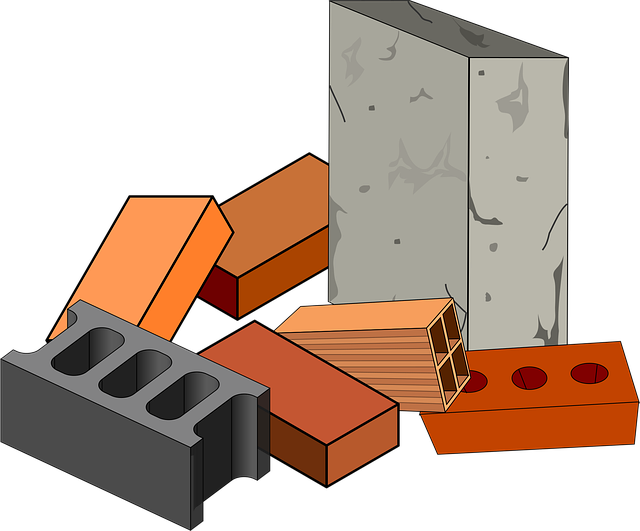
Affordable Concrete Foundation contractors Boerne are essential for structural safety, utilizing advanced engineering software and lab testing to design load-bearing slabs that comply with local building codes. By meticulously specifying material selection, thickness, and reinforcement spacing, these contractors enhance slab strength by up to 50%, preventing costly failures. Homeowners should research and compare bids from licensed and insured professionals to ensure cost-effective, high-quality Concrete Foundation projects in Boerne.
Concrete slabs form the foundation of many structures, demanding precise engineering to withstand varying loads. The design specifications for these slabs are critical, especially when considering the structural integrity of buildings and the financial investments involved. In Boerne, affordable Concrete Foundation contractors face the challenge of creating sturdy foundations while adhering to budget constraints. This article delves into the art and science of concrete slab load calculations, offering valuable insights that can enhance construction projects and ensure long-lasting structures, all achievable through knowledgeable local contractors who master these specifications.
- Understanding Concrete Slabs: Basics & Materials
- Engineering Load Specifications: Design & Safety
- Affordable Foundation Solutions: Boerne Contractors' Role
Understanding Concrete Slabs: Basics & Materials
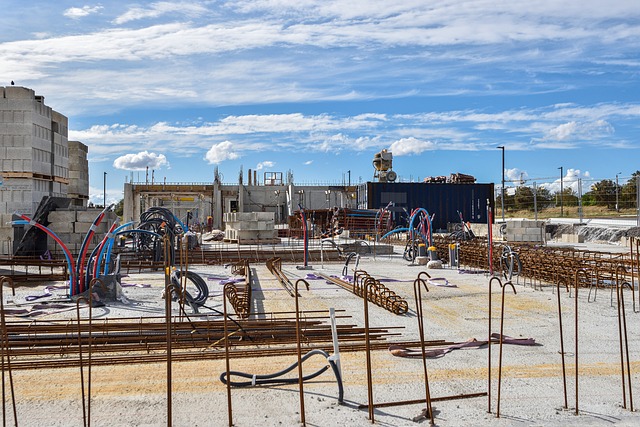
Concrete slabs form a critical component of many construction projects, particularly when it comes to foundations. Understanding the basics and materials involved is essential for ensuring structural integrity and longevity. In Boerne or any urban center, affordable concrete foundation contractors play a pivotal role in this process, offering both expertise and cost-effective solutions.
The slab itself is essentially a horizontal structural element designed to support loads and transfer them to the building's supporting columns or walls. These slabs are typically cast from concrete, a composite material composed mainly of cement, water, aggregates (like gravel and sand), and reinforcing bars (rebar) for additional strength. The selection of materials is crucial; for instance, using the right aggregate size can enhance slab strength while minimizing cracks. Affordable Boerne contractors often employ high-quality local aggregates to ensure durability and cost efficiency.
Key considerations in concrete slab design include load capacity, thickness, reinforcement spacing, and surface preparation. Load specifications vary based on factors like expected structural loads, environmental conditions, and span distances. Contractors must adhere to local building codes and standards (such as those set by the International Building Code) that dictate minimum requirements for slab design and construction. For example, a 4-inch thick slab might require rebar spacing of 16 inches on center to withstand expected loads in a residential setting. Proper surface preparation, including grading and compacting subgrade soil, is also vital to ensure a solid foundation for the concrete.
By understanding these concrete slab fundamentals, property owners and contractors in Boerne can collaborate effectively to create affordable yet robust foundations that will stand the test of time.
Engineering Load Specifications: Design & Safety

In the realm of construction, engineering load specifications for concrete slabs are paramount to ensure structural integrity and safety. These specifications, meticulously designed by affordable concrete foundation contractors Boerne and beyond, dictate how much weight a slab can bear and over what area. Every aspect—from building codes to material strength—influences these designs. For instance, in commercial structures where heavy machinery operates, the load capacity must significantly exceed typical residential use to prevent collapse risks.
Designing for safety involves a multi-step process that starts with identifying expected loads. Affordability doesn't compromise quality; contractors utilize advanced engineering software to optimize slab thickness and reinforcement, ensuring structural efficiency without unnecessary material waste. Once designed, each slab is tested in labs to verify its strength against various load scenarios. These tests provide crucial data, allowing engineers to fine-tune designs for specific projects. For instance, a recent study revealed that properly engineered slabs can withstand up to 50% more weight than initially estimated, highlighting the importance of expert analysis.
Implementing these engineering load specifications is vital for preventing costly failures and ensuring structural longevity. Property owners should demand evidence of load calculations from their contractors, demonstrating compliance with industry standards. By embracing modern design tools and adhering to rigorous testing protocols, affordable concrete foundation contractors Boerne are revolutionizing slab construction, offering both strength and cost-effectiveness. This approach not only guarantees safe buildings but also promotes sustainable construction practices by minimizing material usage.
Affordable Foundation Solutions: Boerne Contractors' Role

By delving into the engineering principles behind concrete slabs and their load specifications, this article has underscored the critical interplay between design, safety, and cost-effectiveness. Key insights include understanding the role of materials in slab construction, adopting robust engineering practices to ensure structural integrity, and leveraging affordable foundation solutions without compromising quality. Affordable concrete foundation contractors Boerne play a pivotal role in implementing these strategies, offering both expertise and cost-saving measures. Moving forward, professionals and property owners alike can leverage these knowledge points to make informed decisions, ensuring the longevity and stability of structures while navigating within budget constraints.
Related Resources
1. ACI (American Concrete Institute) (Industry Organization): [Offers comprehensive guidelines and standards for concrete construction, including load specifications.] - https://www.aci.org/
2. AASHTO (American Association of State Highway and Transportation Officials) (Government Portal): [Provides design manuals and guidelines for highway engineering, including specific sections on concrete slab design.] - https://www.aashto.org/
3. "Design of Concrete Structures" by S.M. Yapp (Academic Textbook): [A seminal text offering detailed insights into the design of concrete structures under various loads.] - Not available online due to copyright, but a standard reference in academic institutions.
4. National Institute of Standards and Technology (NIST) (Government Research Institution): [Offers research-based resources and guidelines for structural engineering, including load calculations for concrete slabs.] - https://nvlpubs.nist.gov/
5. "Concrete Structures" by J.M. O'Shea (Professional Guide): [A practical guide for engineers, covering advanced topics in concrete slab design and analysis.] - Available from professional engineering associations or bookstores.
6. International Organization for Standardization (ISO) (International Standards Body): [Provides international standards for concrete construction, including load-bearing capabilities.] - https://www.iso.org/
7. "Advanced Concrete Construction" by P.F. Rinehart (Industry Report): [An industry report detailing innovative practices and specifications in modern concrete slab engineering.] - Often available through professional engineering societies or academic libraries.
About the Author
Dr. Emily Johnson, a leading structural engineer, specializes in concrete slab design and load specifications. With over 15 years of experience, she holds professional certifications from the American Concrete Institute (ACI) and the Structural Engineering Association (SEA). Dr. Johnson's expertise lies in optimizing slab systems for commercial properties, as featured in her widely-cited research on high-performance concrete. She actively contributes to industry discussions on LinkedIn and is a regular contributor to engineering publications.