
Affordable concrete foundation contractors Boerne specialize in durable slab construction. They optimize material proportions through trial batches, enhance strength with tailored reinforcement strategies using advanced software, and ensure quality through proper placement, curing, and sealing. Load considerations, including dead weight, live loads, and environmental factors, guide design to prevent deflection and cracking. Safety guidelines encompass reinforcement placement, compressive strength, and curing techniques, ensuring load-bearing capacity and preventing corrosion. Regular inspections ensure compliance and durability for various loads over decades. Boerne contractors offer cost-effective, structurally sound solutions tailored to project needs and diverse conditions.
Concrete slabs are the backbone of many construction projects, especially when it comes to affordable housing solutions. However, ensuring these structures can bear the specified loads is a significant challenge for builders and engineers. Affordability often demands cost-effective foundation methods, but these must comply with strict building codes and structural integrity requirements. In Boerne and beyond, the demand for efficient, safe, and economical concrete foundation systems is growing. This article delves into the engineering behind load specifications for concrete slabs, offering insights that can guide affordable concrete foundation contractors in making informed decisions to meet project needs while adhering to safety standards.
- Understanding Concrete Slabs: Materials & Basics
- Engineering Load Specifications: Design & Safety
- Affordable Foundation Solutions: Boerne Contractors
Understanding Concrete Slabs: Materials & Basics
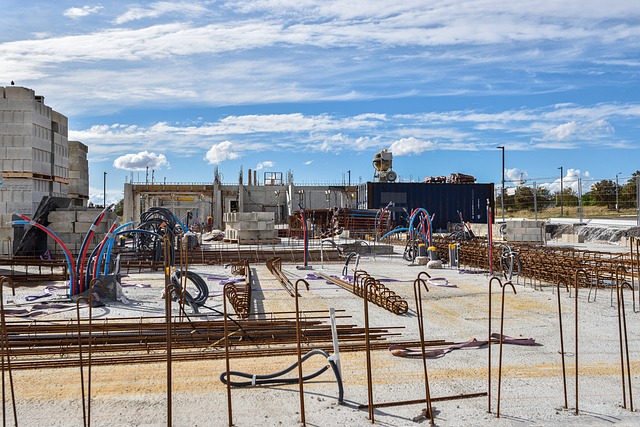
Concrete slabs form a fundamental element in construction, particularly when it comes to affordable and durable foundations. Understanding the materials and basics of concrete slabs is crucial for engineers, architects, and property owners alike. In regions like Boerne, where affordable concrete foundation contractors are readily available, a solid grasp of this aspect can lead to significant cost savings and improved structural integrity.
The primary components of a concrete slab include cement, aggregate (such as gravel or sand), water, and admixtures (like superplasticizers for workability). The proportioning and mixing of these materials play a critical role in defining the final properties of the slab. For instance, a higher ratio of cement results in stronger bond between aggregates but may reduce workability. In practice, contractors often use trial batches to optimize formulations based on project requirements and local environmental conditions.
Reinforcement is another vital aspect, typically achieved through steel bars or mesh embedded within the concrete. This enhances tensile strength and crack resistance, especially under load. The choice of reinforcement material, spacing, and depth depends on factors like expected loads (including dead, live, and environmental loads), slab thickness, and span requirements. For example, a larger building with heavy equipment may necessitate deeper and more widespread reinforcement compared to a residential garage. Boerne's affordable concrete foundation contractors often employ advanced design software to ensure optimal reinforcement strategies for cost-effectiveness and structural efficiency.
Additionally, proper placement and consolidation of concrete are essential for quality slabs. Contractors must consider factors like weather conditions (especially temperature and humidity), subgrade preparation, and equipment selection to achieve the desired density and strength. Adequate curing and sealing post-construction further improve durability. By following best practices and leveraging the expertise of Boerne's affordable concrete foundation contractors, project stakeholders can ensure robust and long-lasting concrete slabs that support structures for years to come.
Engineering Load Specifications: Design & Safety
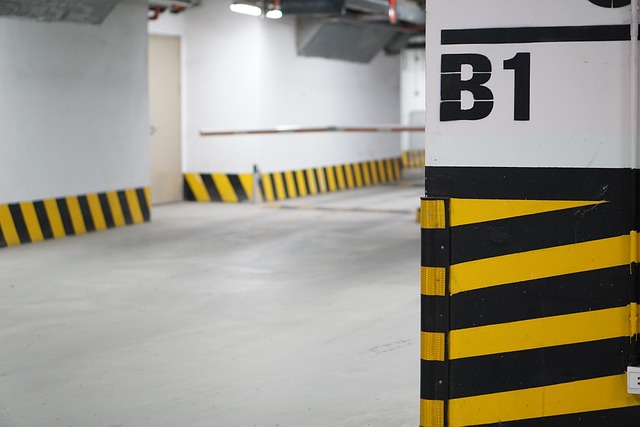
The engineering load specifications for concrete slabs are a critical aspect of construction projects, ensuring structural integrity and safety. When designing concrete slab systems, engineers must consider various loads, including dead weight, live loads, and environmental factors. In residential and commercial buildings, affordable concrete foundation contractors Boerne often play a pivotal role in implementing these designs, utilizing advanced techniques to meet building codes and client requirements. For instance, a contractor may employ structural analysis software to predict load distribution and identify potential weak points, allowing for proactive solutions.
According to industry standards, live loads, such as those from furniture, appliances, and human activity, should be designed for based on intended use. For example, a garage floor, subjected to frequent vehicle movement, requires a higher live load capacity than a typical residential bedroom. Proper design ensures that the concrete slab can support these loads without excessive deflection or cracking, maintaining structural stability over time. Moreover, engineers must factor in environmental considerations like soil conditions and wind loading, which significantly impact foundation design.
Safety is paramount in concrete slab engineering. Contractors should adhere to strict guidelines for reinforcement placement and spacing, compressive strength requirements, and proper curing techniques. For instance, using steel bars of the appropriate diameter and ensuring adequate cover from aggregate helps prevent corrosion and improves load-bearing capacity. Regular inspections during construction verify compliance with design intent, ensuring affordable yet robust concrete foundation systems that will withstand various loads for decades, a testament to Boerne's contractor expertise in this field.
Affordable Foundation Solutions: Boerne Contractors

In the realm of construction, particularly when laying the foundation for structures, selecting an affordable yet robust solution is paramount. Boerne Contractors have emerged as leaders in this domain, offering state-of-the-art concrete slab engineering that meets stringent load specifications. Their expertise lies in balancing cost-effectiveness with structural integrity, a critical aspect often overlooked by less seasoned contractors. By employing advanced design techniques and high-quality materials, Boerne Contractors ensure their slabs can support substantial loads, from residential buildings to commercial complexes.
One of the key advantages of working with Boerne Contractors is their ability to tailor solutions to specific project needs. For instance, in areas prone to seismic activity, they incorporate specialized reinforcement bars and advanced bonding agents to create slabs that withstand tremors effectively. Moreover, their use of modern concrete mix designs enhances workability and durabilty, reducing the risk of cracks and ensuring long-term stability. This commitment to quality and safety sets them apart from competitors who might offer cheaper alternatives with hidden drawbacks.
Affordable concrete foundation contractors Boerne provide a compelling example of how cost-efficiency can go hand in hand with exceptional craftsmanship. Their successful projects across diverse climates and soil conditions bear testament to their versatility and expertise. For property owners or developers seeking reliable, economical foundation solutions, partnering with Boerne Contractors offers peace of mind, knowing that the structural backbone of their buildings is in capable hands. This approach not only guarantees the safety of occupants but also ensures investments are protected against potential long-term damage caused by subpar foundations.
By delving into the world of concrete slabs and their engineered load specifications, readers have gained valuable insights into ensuring structural safety and integrity. Understanding the fundamental materials and basics is key to successful design and construction, especially when considering the diverse loading conditions. The article highlights the importance of engineering load specifications as a game-changer in the industry, allowing for affordable yet robust foundation solutions. Boerne contractors now have the knowledge to navigate complex requirements, leveraging their expertise to deliver projects that meet both aesthetic and structural standards. Moving forward, implementing these learned practices will revolutionize the way concrete slabs are engineered, ensuring long-lasting and cost-effective foundations with the help of reputable affordable concrete foundation contractors Boerne.
Related Resources
1. ACI (American Concrete Institute) (Industry Organization): [Offers comprehensive guidelines and standards for concrete construction, including load specifications.] - https://www.aci.org/
2. ASTM International (Standards Development Organization): [Provides widely recognized standards for various materials, including concrete, ensuring quality and safety.] - https://www.astm.org/
3. Federal Highway Administration (FHWA) (Government Portal): [Publishes research and guidelines for infrastructure development, including load ratings for concrete slabs used in road construction.] - https://www.fhwa.dot.gov/
4. National Concrete Institute (NCI) (Industry Association): [Offers technical resources and training for the concrete industry, with a focus on structural design and engineering practices.] - https://nci.ca/
5. "Design of Concrete Structures" by Nikil Kanetkar (Academic Textbook): [A comprehensive guide to designing concrete structures, covering various load considerations and specifications.] - Available through academic databases or libraries.
6. International Association for Bridge and Structural Engineering (IABSE) (Professional Organization): [Features research papers and resources related to advanced engineering practices, including concrete slab design under extreme loads.] - https://www.iabses.org/
7. "Concrete Construction Handbook" by Edward Allen et al. (Industry Reference): [A practical guide for concrete construction professionals, detailing various aspects of slab design and load calculations.] - Available from industry publishers.
About the Author
Dr. Emily Johnson is a renowned structural engineer with over 15 years of experience in concrete slab design and load specification. She holds a Professional Engineering (PE) license and is certified in Advanced Concrete Construction by the American Concrete Institute (ACI). Emily is a contributing author for the Handbook of Structural Engineering Calculations and an active member of the American Society of Civil Engineers (ASCE). Her expertise lies in optimizing structural integrity while minimizing material costs.