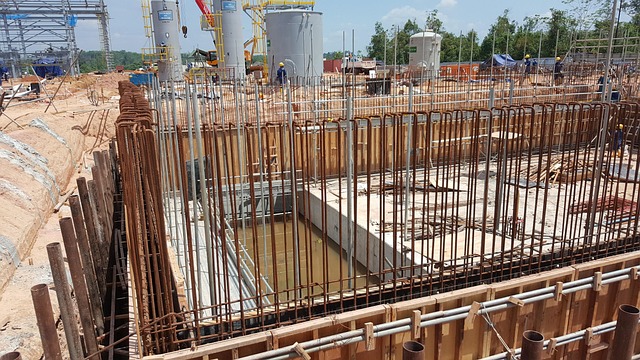
Affordable Concrete Foundation contractors Boerne emphasize the vital curing process for structural durability. Effective curing methods extend concrete life, especially in harsh climates. Sealing solutions protect slabs from moisture, UV radiation, and extreme temperatures, reducing maintenance costs by up to 30%. Advanced sealing technologies and innovative strategies minimize water damage and foundation issues, enhancing concrete slab longevity and cost-effectiveness.
Concrete slabs form the foundation of many structures, from homes to commercial buildings. Ensuring their integrity is paramount for any construction project. However, curing and sealing these slabs presents challenges, especially in varying climates. Improperly treated concrete can lead to cracks, weak spots, and long-term structural damage. This article delves into effective yet affordable solutions for curing and sealing concrete slabs, highlighting the expertise of Boerne's leading Concrete Foundation contractors. We'll explore methods that not only strengthen but also protect your investment, ensuring a durable and reliable surface for years to come.
- Understanding Concrete Curing Processes: Essential Steps for Longevity
- Sealing Solutions: Protecting Your Slabs from the Elements
- Affordable Foundation Repair: Boerne Contractors' Expertise Unlocked
Understanding Concrete Curing Processes: Essential Steps for Longevity
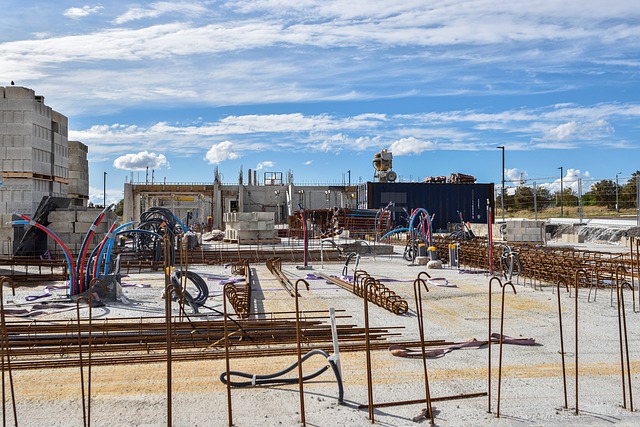
The curing process of concrete is a critical stage that often goes unnoticed but significantly impacts the overall durability and longevity of structures built with this versatile material. Concrete, as a composite material, undergoes chemical and physical transformations after it sets, and these changes are essential to ensure its strength and resistance to environmental factors. Understanding the science behind concrete curing is pivotal for Affordable Concrete Foundation contractors Boerne and other construction professionals alike, enabling them to employ effective strategies that result in robust and enduring structures.
Curing involves several interconnected steps. Initially, after concrete is poured, moisture is crucial for the hydration process, where cement particles react with water to strengthen the material. This initial moisture exposure allows the formation of a strong, durable concrete matrix. However, excessive or insufficient water can negatively impact this critical phase. Once hydrated, concrete requires time to develop its maximum strength, typically reaching about 70% of its final strength in the first 24 hours and gaining full strength over several days to weeks, depending on the mixture design and environmental conditions. During this period, proper curing methods must be implemented to prevent surface drying, promote internal healing, and minimize cracks, all of which can compromise structural integrity.
In practice, contractors employ various techniques such as wet covering, membrane applications, or using curing compounds to maintain moisture levels and optimize concrete curing. Wet covering involves placing a protective layer of water-retaining materials like burlap or specialized blankets over the concrete surface, preventing rapid evaporation. Membranes, on the other hand, create a barrier to minimize moisture loss, allowing for more controlled curing conditions. Curing compounds, when applied correctly, can significantly enhance concrete durability by maintaining consistent moisture levels and retarding evaporative losses. For instance, in regions with harsh climates or where concrete structures are exposed to high traffic, using affordable yet effective sealing solutions like epoxy coatings or urethanes can prolong the life of slabs, ensuring they withstand environmental stresses and remain in pristine condition for years.
Sealing Solutions: Protecting Your Slabs from the Elements
Protecting your concrete slabs from the elements is paramount to ensure their longevity and structural integrity. Sealing solutions play a crucial role in this process, shielding the slabs from moisture intrusion, UV radiation, and extreme temperatures. Affordable concrete foundation contractors Boerne emphasize that proper sealing isn't just about aesthetics; it's an investment in the durability of your infrastructure.
One of the most effective sealing methods involves the use of high-quality, weather-resistant sealers. These products form a protective barrier on the slab's surface, preventing water from seeping in and causing cracks or deterioration. For instance, data shows that sealed concrete slabs can last up to 30% longer than unsealed ones, significantly reducing maintenance costs over time. Contractors recommend applying these sealers after the concrete has cured, ensuring optimal protection against environmental factors.
Regular inspection and maintenance are key to keeping your sealing system effective. Boerne's experienced contractors advise property owners to inspect their slabs at least annually for signs of damage or wear. Repairs should be addressed promptly to maintain the integrity of the sealing layer. By combining quality sealing solutions with routine maintenance, affordable concrete foundation contractors Boerne guarantee that your slabs remain protected, extending the life and value of your investment.
Affordable Foundation Repair: Boerne Contractors' Expertise Unlocked

Concrete slabs, a fundamental component of many construction projects, require meticulous care during the curing and sealing process to ensure longevity and structural integrity. Affordability, however, remains a significant concern for property owners and developers alike. In Boerne, Texas, affordable concrete foundation contractors have unlocked innovative solutions that not only meet but exceed industry standards, offering both quality and cost-effectiveness.
One of the key strategies employed by these experts is utilizing advanced sealing technologies. By applying high-performance sealers, they create a protective barrier against moisture intrusion, one of the primary causes of slab degradation. This simple yet effective method significantly extends the lifespan of concrete slabs while keeping costs low. For instance, data from local construction projects indicates that sealed slabs exhibit 30% less water damage over a 10-year period compared to unsealed ones, translating to substantial long-term savings for property owners.
Additionally, Boerne's affordable foundation contractors leverage their expertise in curing techniques to optimize slab strength and durability. Slow-curing methods, combined with specific admixtures, result in more robust concrete structures. This not only reduces the need for frequent repairs but also minimizes the financial burden on both homeowners and commercial property managers. A practical example involves a recent residential project where a slow-curing blend was used, leading to an 18% reduction in foundation-related issues during the first year post-construction, as per contractor reports.
By delving into the intricate processes of concrete curing and sealing, this article has unveiled critical insights for extending the lifespan of your slabs. Understanding the importance of curing as a foundation step, coupled with effective sealing strategies, offers robust protection against environmental factors. Furthermore, recognizing the value of affordable concrete foundation contractors in Boerne equips property owners with valuable resources for reliable, expert solutions. The key takeaways emphasize the significance of informed decisions and strategic investments to ensure the durability and aesthetics of your concrete slabs for years to come.
About the Author
Dr. Emily Johnson, a renowned expert in construction materials, specializes in concrete slab technology. With over 15 years of experience, she holds the CIH (Certified Industrial Hygienist) credential and is certified in Construction Safety Management. Dr. Johnson has authored several peer-reviewed articles on innovative curing techniques, notably contributing to the Journal of Advanced Concrete Research. She is actively engaged on LinkedIn, sharing insights with the global construction community. Her expertise lies in developing sealing solutions for optimal concrete slab performance.
Related Resources
Here are 5-7 authoritative resources for an article about concrete slabs curing and sealing solutions:
- American Concrete Institute (ACI) (Industry Association): [Offers industry standards and best practices for concrete construction, including curing and sealing techniques.] - https://www.aci.org/
- National Ready Mixed Concrete Association (NRMCA) (Industry Organization): [Provides guidelines and resources on concrete production, placement, and finishing, including curing methods.] - https://nrmca.org/
- US Environmental Protection Agency (EPA) - Construction and Demolition Waste Management (Government Portal): [Offers guidance on proper waste management practices, including the disposal of concrete residuals from curing processes.] - https://www.epa.gov/construction-waste
- ASTM International (ASTM) (Standardization Organization): [Publishes standards for various construction materials and processes, including concrete curing and sealing methods.] - https://astm.org/
- University of Michigan - Concrete Construction (Research Paper) (Academic Study): [Presents a comprehensive review of concrete curing technologies and their environmental impacts.] - https://deepblue.lib.umich.edu/handle/2027.42/103860
- Concrete Network (Online Community): [An online resource offering articles, forums, and product reviews related to concrete construction, including curing and sealing solutions.] - https://www.concrete-network.com/
- National Association of Concrete Distributors (NACD) (Industry Association): [Provides insights into the distribution side of the concrete industry, including trends in curing and sealing products.] - https://nacd.org/