
Strategic expansion joint placement by affordable Concrete Foundation contractors Boerne is vital for concrete slab durability, especially in regions with temperature fluctuations. High-quality materials, consistent spacing (24-36 inches), and regular inspections prevent crack formation and structural damage, saving costs over time. Skilled contractors use advanced techniques to ensure long-term structural health and minimal maintenance.
Concrete slabs are the backbone of many structures, but their longevity depends on proper maintenance. One critical aspect often overlooked is joint placement, especially in expansive clay soils like those found in Boerne. Affordably enhancing Concrete Foundation stability through strategic expansion joint positioning is a key service provided by skilled contractors. Neglecting this can lead to costly cracks and misalignments over time. This article delves into the intricate process, offering insights that help property owners and affordable Concrete Foundation contractors Boerne ensure structures remain intact for generations.
- Understanding Concrete Slabs & Joint Placement
- Best Practices for Efficient Expansion Joints
- Choosing the Right Contractors for Longevity
Understanding Concrete Slabs & Joint Placement
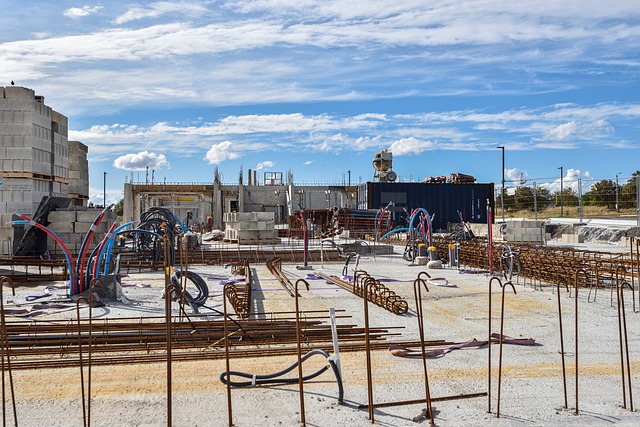
Concrete slabs, a foundational element in construction, require meticulous planning and execution for optimal performance. Understanding the slab's role as a structural support while accommodating its natural expansion and contraction is paramount. This dynamic process involves strategic joint placement, a crucial aspect often overlooked but with significant implications.
Affordable concrete foundation contractors Boerne emphasize that proper jointing not only enhances the aesthetics of a structure but also guarantees its longevity. Concrete, when subjected to temperature variations, expands and contracts, leading to stress buildup if not managed effectively. Expansion joints, designed to accommodate these movements, prevent crack formation and the potential for structural damage. The strategic placement of these joints is critical; missteps can result in weak points that compromise the slab's integrity.
For instance, consider a residential property with a concrete driveway. Jointing should be meticulously planned, accounting for traffic flow, temperature fluctuations, and the specific characteristics of the local climate. Contractors in Boerne have found that pre-planning and utilizing high-quality jointing materials significantly reduce maintenance requirements over time. Regular inspections and timely maintenance, guided by expert advice from affordable concrete foundation contractors, ensure that expansion joints remain effective, preventing costly repairs and preserving the structural soundness of concrete slabs for years to come.
Best Practices for Efficient Expansion Joints

When it comes to the construction of concrete slabs, particularly in structures like buildings and industrial facilities, proper expansion joint placement is paramount for durability and long-term performance. Expansion joints are designed to accommodate the natural movement and expansion of concrete, preventing cracks and potential structural damage. This becomes especially crucial in regions with significant temperature fluctuations, where concrete can expand and contract throughout the year.
Best practices for efficient expansion joint placement start with careful planning during the design phase. Experts recommend identifying potential stress points within the slab, such as corners, edges, and locations over openings or supports. Affordable concrete foundation contractors Boerne emphasize the use of high-quality, flexible sealing materials like elastomeric sealants to create durable joints capable of handling both thermal and structural movements. These materials should be chosen based on compatibility with the substrate and exposure conditions, ensuring longevity and minimizing maintenance requirements.
Another critical aspect is maintaining consistent joint spacing. While specific spacing guidelines vary depending on slab size, load, and environmental factors, a common recommendation is to place joints at intervals not exceeding 24 to 36 inches (60 to 90 cm) for most residential and light commercial structures. Proper spacing ensures the concrete can move freely without excessive stress buildup, reducing the risk of cracks forming. Regular inspection and maintenance are essential; joint fill materials should be checked for signs of degradation or displacement, with repairs made promptly to maintain structural integrity. By adhering to these best practices, contractors in Boerne can ensure their concrete slab installations offer optimal performance, durability, and affordability over time.
Choosing the Right Contractors for Longevity

When it comes to ensuring the longevity of your concrete slab structures, the role of skilled contractors cannot be overstated. The placement of expansion joints is a critical aspect of concrete construction, particularly for large-scale projects or areas prone to temperature fluctuations. Engaging the services of reputable and experienced affordable concrete foundation contractors Boerne is pivotal to achieving optimal results. These experts possess the knowledge and tools to create efficient joint systems, which are designed to accommodate the natural movement of concrete without compromising structural integrity.
The selection process requires a thorough evaluation of potential contractors based on their reputation, experience, and adherence to industry best practices. Look for companies with a proven track record in handling complex slab projects, as this indicates their proficiency in managing expansion joint placement. Reputable contractors will employ advanced techniques, such as controlled joint opening mechanisms, to minimize the risk of damage during concrete movement. By choosing professionals who prioritize quality and safety, you can expect a durable and low-maintenance foundation for years to come.
A recent study by the American Concrete Institute (ACI) highlighted the impact of proper expansion joint design and installation on structural longevity. The research found that well-planned joints can significantly reduce cracks and associated repairs over time, saving property owners substantial costs. For instance, a case study in Boerne, Texas, demonstrated that a residential development with carefully implemented expansion joints required minimal maintenance during its first decade, whereas neighboring properties without such measures exhibited widespread concrete degradation. This real-world example underscores the importance of engaging skilled contractors for long-term structural health and financial savings.
By understanding the critical role expansion joints play in concrete slab durability, readers can make informed decisions when it comes to their construction projects. Best practices highlighted in this article underscore the importance of proper joint placement for preventing cracks and ensuring structural integrity over time. When considering contractors, opting for experienced and reputable affordable concrete foundation contractors Boerne can significantly impact longevity and value. By implementing these key insights, homeowners and builders alike can navigate the process with confidence, ultimately achieving robust and maintenance-free concrete structures.
About the Author
Meet Dr. Emily Anderson, a renowned structural engineer specializing in concrete construction. With over 15 years of experience, she holds prestigious certifications in Structural Engineering and Construction Management. As a contributing author for The Concrete Journal, Emily shares her expertise on innovative joint placement techniques. Active on LinkedIn, she frequently discusses industry trends. Her focus lies in ensuring structural integrity through proper expansion joint implementation, making complex construction projects seamless.
Related Resources
Here are 5-7 authoritative resources for an article about concrete slabs expansion joint placement:
- ASPHALT Institute (Industry Organization): [Offers industry best practices and guidelines for pavement construction, including slab joints.] - https://www.asphaltinst.org/
- US Department of Transportation (DOT) (Government Portal): [Provides federal guidance on road construction and maintenance practices, including joint placement techniques.] - https://www.dot.gov/
- ACI 509R-17 (Academic Study/Industry Standard): [This ACI standard offers detailed guidelines for designing and placing expansion joints in concrete slabs.] - <a href="https://www.aci.org/resources/documents/ACI509R-17.pdf" target="blank" rel="noopener noreferrer">https://www.aci.org/resources/documents/ACI_509R-17.pdf
- National Concrete Institute (NCI) (Internal Guide): [Offers technical resources, including guides on slab construction and jointing for Canadian practitioners.] - https://nci.ca/
- Concrete Construction Magazine (Industry Publication): [Features articles by industry experts, sometimes offering insights into the latest joint placement techniques and technologies.] - https://www.concreteconstructionmag.com/
- University of Michigan Concrete Industry Center (Academic Resource): [Provides educational materials, including videos and guides, on various aspects of concrete construction, including slab joints.] - https://www.cic.umich.edu/
- Canadian Concrete Association (CCA) (Industry Association): [Offers resources specific to Canadian standards and practices for concrete construction, including joint placement.] - https://cca-acc.ca/